GLM > GLM Commercial > Our Portfolio > ERSKINE STEWART MELVILLE SCHOOL

ERSKINE STEWART MELVILLE SCHOOL

Discipline: Building Surveying & Project Management
Location: Edinburgh

Our Mission

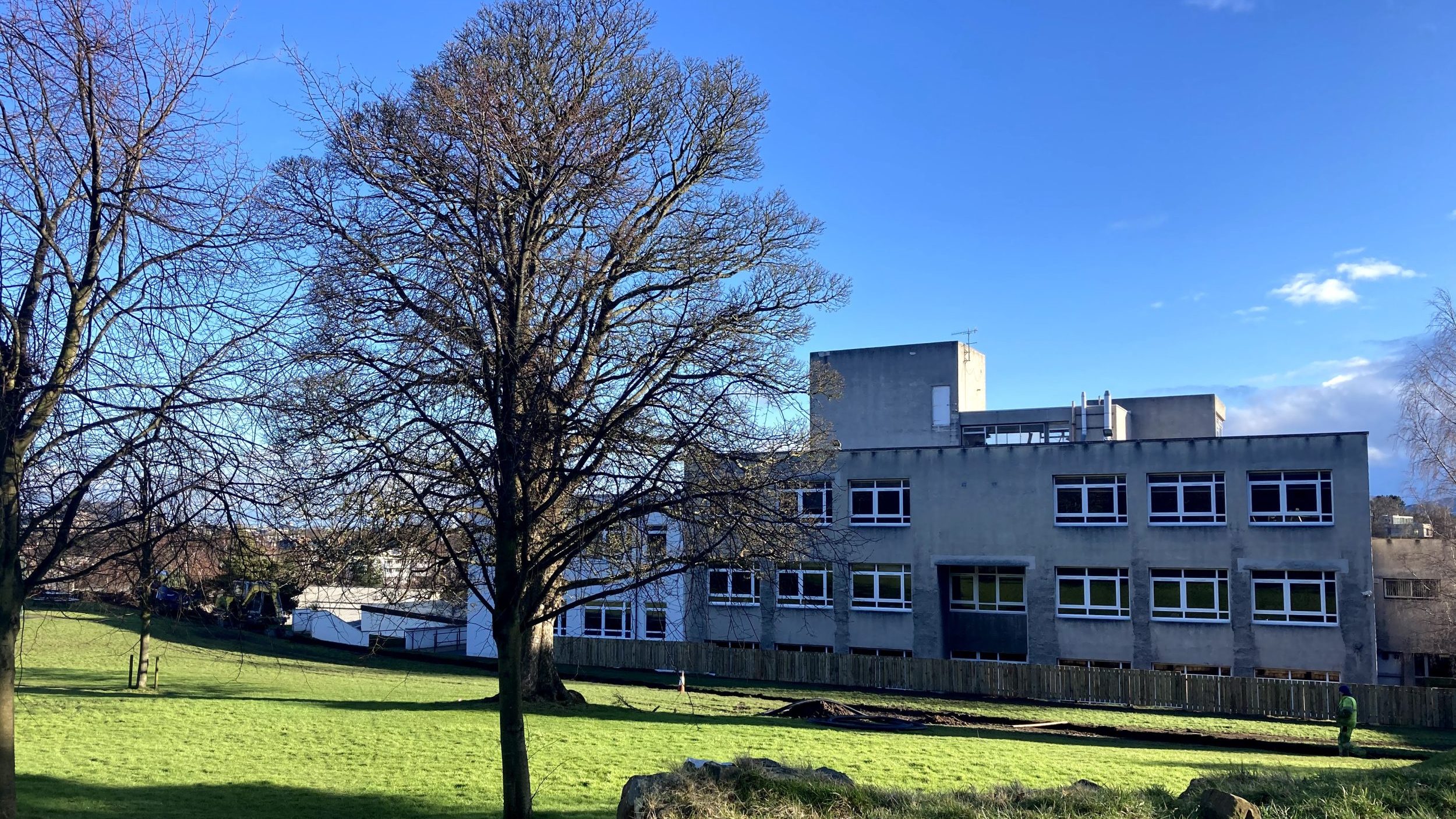
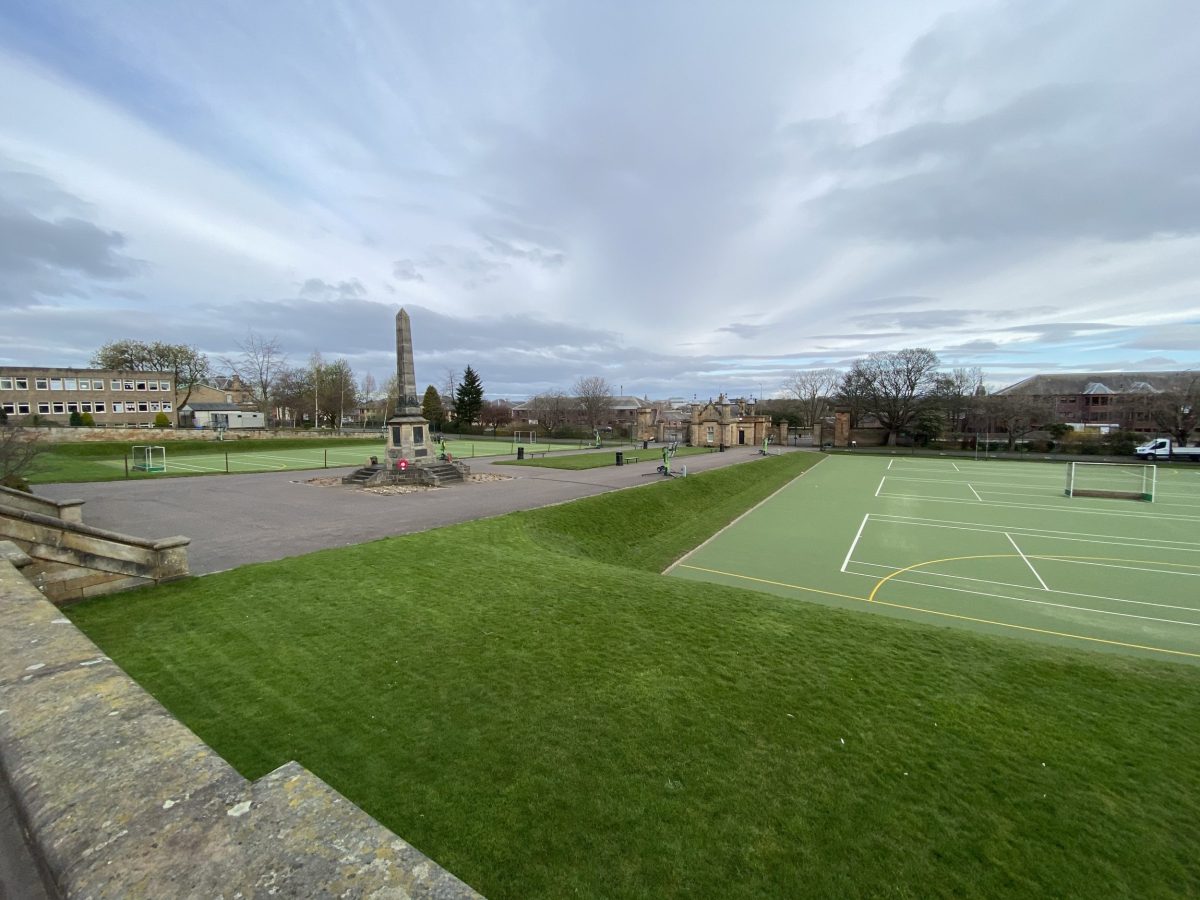
GLM were appointed to carry out a full fabric assessment on all of the Erskine Stewart Melville School sites. The building stock is of various ages and requires specific maintenance and restoration needs.
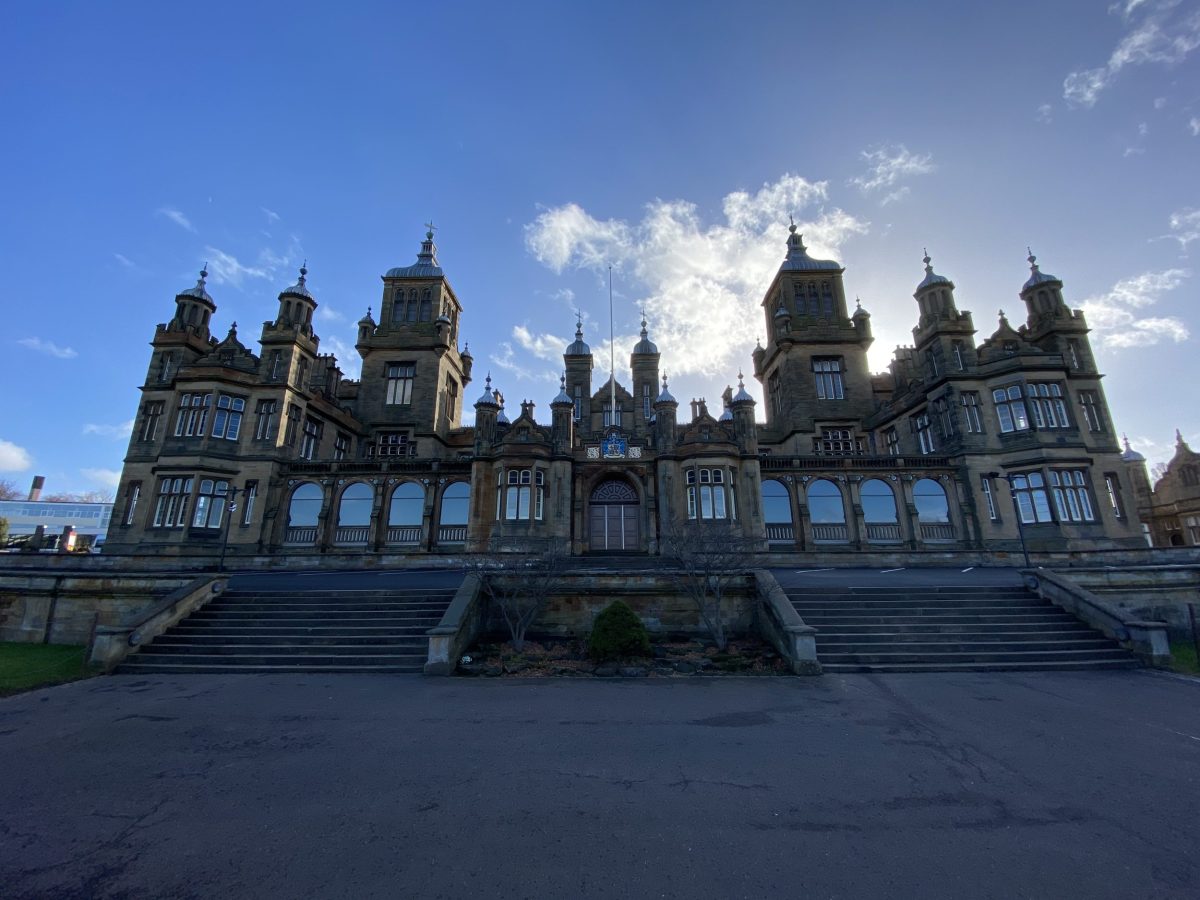
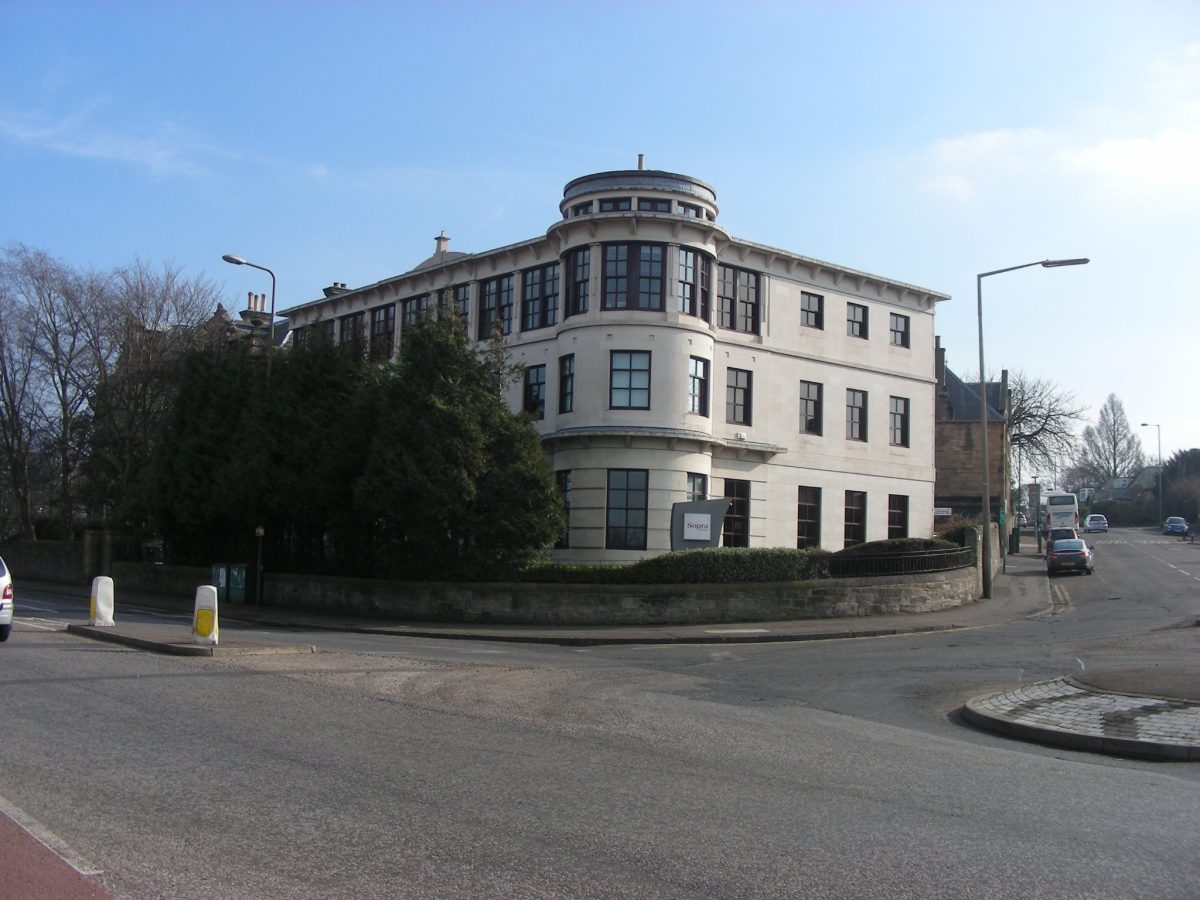
The ESMS campus is spread over two sites in Ravelston, Edinburgh, comprising the A-listed Stewart Melville College building (1855), Arts Block Building (1909) and the Mary Erskine School by William Kininmonth (1965).

GLM prepared and supervised a programme of repair work designed to work around the occupancy requirements of the school while managing remedial building work staged to be carried out during the holiday periods.

The completed Phase one works comprised fabric repairs to the listed structures, upgraded firestopping and the repair and improvement of glazed elements. Phase two, programmed for summer 2024, involves the upgrading of 1960s architectural construction to meet modern performance standards and the integration of renewable generation on both sites.

A good understanding of the deficiency of 1960s construction methods was important to establish a methodology for the sensitive upgrading of built fabric that was both economical and respected existing built details. An understanding of the use of asbestos, inherent in these types of structures and the ability to manage the planned removal of this hazardous material safely were key to the programming of this project.
This website uses cookies
This site uses cookies to enhance your browsing experience. We use necessary cookies to make sure that our website works. We’d also like to set analytics cookies that help us make improvements by measuring how you use the site. By clicking “Allow All”, you agree to the storing of cookies on your device to enhance site navigation, analyse site usage, and assist in our marketing efforts.
These cookies are required for basic functionalities such as accessing secure areas of the website, remembering previous actions and facilitating the proper display of the website. Necessary cookies are often exempt from requiring user consent as they do not collect personal data and are crucial for the website to perform its core functions.
A “preferences” cookie is used to remember user preferences and settings on a website. These cookies enhance the user experience by allowing the website to remember choices such as language preferences, font size, layout customization, and other similar settings. Preference cookies are not strictly necessary for the basic functioning of the website but contribute to a more personalised and convenient browsing experience for users.
A “statistics” cookie typically refers to cookies that are used to collect anonymous data about how visitors interact with a website. These cookies help website owners understand how users navigate their site, which pages are most frequently visited, how long users spend on each page, and similar metrics. The data collected by statistics cookies is aggregated and anonymized, meaning it does not contain personally identifiable information (PII).
Marketing cookies are used to track user behaviour across websites, allowing advertisers to deliver targeted advertisements based on the user’s interests and preferences. These cookies collect data such as browsing history and interactions with ads to create user profiles. While essential for effective online advertising, obtaining user consent is crucial to comply with privacy regulations.