COMMERCIAL Building Surveying
Commercial building surveys you can act on with confidence.
For over 30 years, GLM’s building surveyors have inspected commercial, institutional and heritage buildings across Scotland and the north of England, from city-centre offices, shops and hotels to rural estates, castles and listed buildings. We combine technical expertise with practical, plain-English advice so you understand the building you are buying, leasing or responsible for, and what it will take to look after it.
We are trusted by the Standard Life & Aberdeen Group, the Scottish Government, the National Trust for Scotland, the Royal Collection Trust, the University of Glasgow, and William Purves Funeral Directors, and we work throughout Scotland and the north of England from offices in Edinburgh and Inverness.

Our Building Survey EXPERTISE
From pre-purchase due diligence to ongoing condition reporting – surveys tailored to the decision you’re about to make.
Technical Due Diligence (TDD)
We work with you and your legal and other advisers to understand a building you are considering buying or leasing, helping you make an informed decision. Our advice goes beyond identifying risk: we can also help you plan the repairs, alterations or fit-out works needed for your intended use.
Full Building Survey
We tailor the survey to the building and what you need to know. This can include the external and internal fabric, building services and visible fixtures and finishes, giving you a clear, joined-up view of its condition, the priorities and the likely expenditure.
Defect Analysis
When something goes wrong, whether water ingress, cracking, damp, decay or failing finishes, we get to the root cause rather than simply treating the symptoms. Drawing on our experience of traditional and modern construction, we diagnose the problem, explain it clearly and recommend a practical repair strategy. Where required, we can then specify and oversee the repairs.
Schedule of Condition
Before you take a lease, or before building work starts nearby, a Schedule of Condition records the property’s condition in words and photographs. It is a straightforward and cost-effective way to protect your position and can help avoid argument and expense at the end of a lease or if damage is alleged later.
Planned Preventative Maintenance (PPM)
A Planned Preventative Maintenance programme sets out what needs to be done, when and roughly what it is likely to cost, typically over a five-to-ten-year period. It helps you budget sensibly, avoid unexpected failures and keep your building in good order over the long term. We prepare plans for individual buildings, property portfolios and whole estates.
Reinstatement Cost Assessment (RCA)
Many buildings are under-insured, and the cost of rebuilding historic and listed properties using matching materials and traditional craft skills can be much higher than expected. Our Reinstatement Cost Assessments provide a considered assessment of the appropriate rebuilding value for insurance purposes, helping you review whether the property is adequately insured without paying for unnecessary cover.
Our Process
A clear, four-step path from instruction to report – so you know exactly what to expect and how long it takes.
01. Brief
We start with a conversation to understand the building and what you need to know, whether you are buying, leasing, dealing with a problem or planning. We then agree a proportionate scope and provide a clear fee proposal, so you know where you stand before we begin.
02. Inspect
One or more of our building surveyors will inspect the property, looking at the roofs, walls, windows, building services and internal finishes as appropriate. Where access is difficult, we can arrange specialist or high-level access. We also review the available drawings, reports and records, carry out desktop research and, where helpful, talk you through our initial findings.
03. Report
Our reports are clear, well illustrated and written in plain English. We identify the important risks, prioritise repairs and upgrades as essential, necessary or desirable, and provide budget costs where required, helping you negotiate, plan and budget with confidence. An executive summary gives you and your advisers the headlines quickly, and we can often provide an earlier verbal briefing when decisions are time-critical.
04. Aftercare
We don’t just send the report and disappear. We talk you through the findings, answer questions and, where relevant, support discussions with your legal and other advisers. If you proceed, we can help you plan and deliver the repairs, alterations or fit-out, from specification and tendering through to managing the work on site.
Project Highlights
A selection of building surveying projects delivered for institutional, public sector and education clients across Scotland.
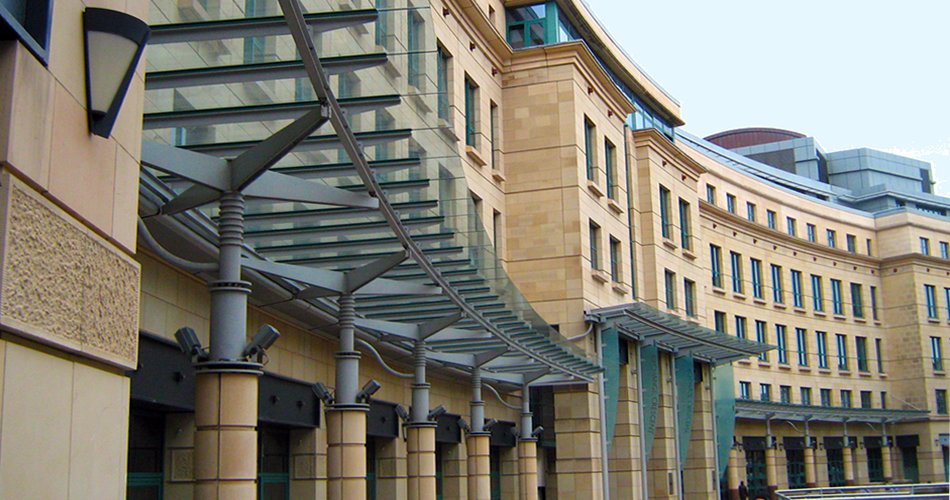
Standard Life PPM
GLM carried out surveys of the Standard Life buildings and produced a five-year maintenance plan for each property.
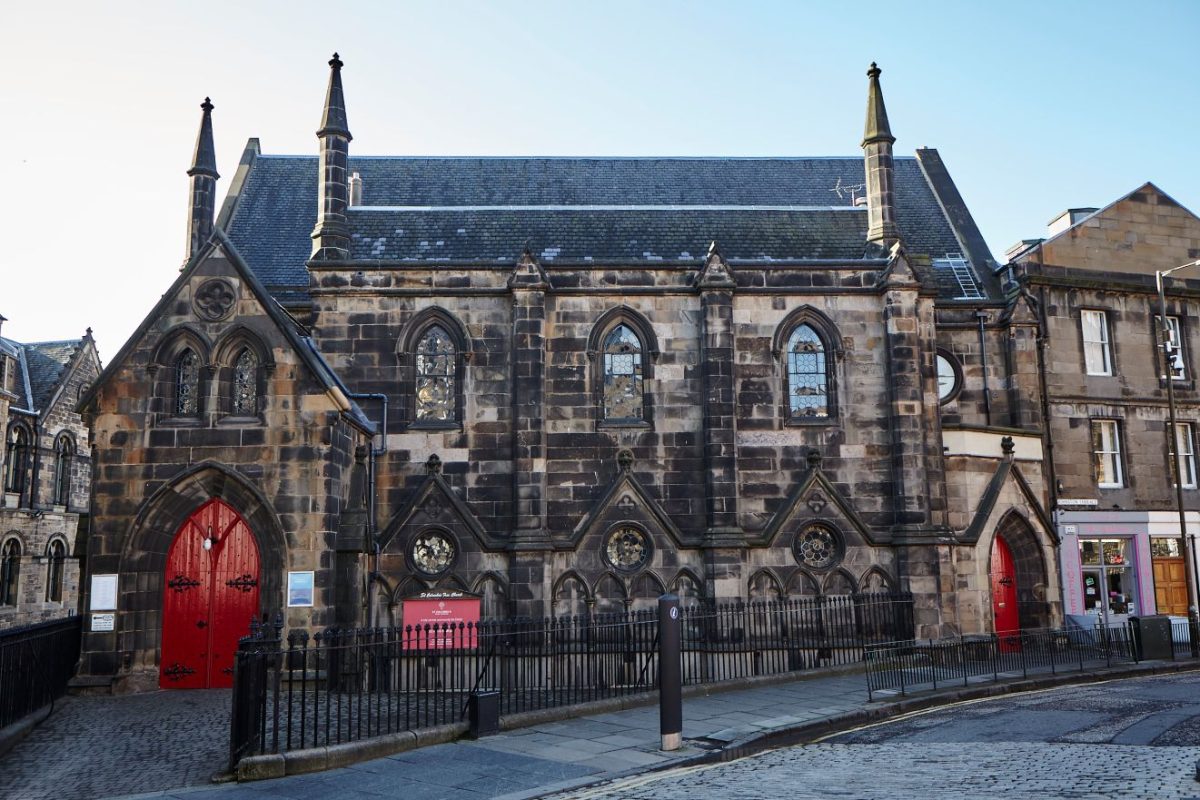
St Columba’s Free Church
GLM surveyed and planned remedial external fabric repairs to St. Columba’s Free Church, in the Old Town Conservation Area, Edinburgh.
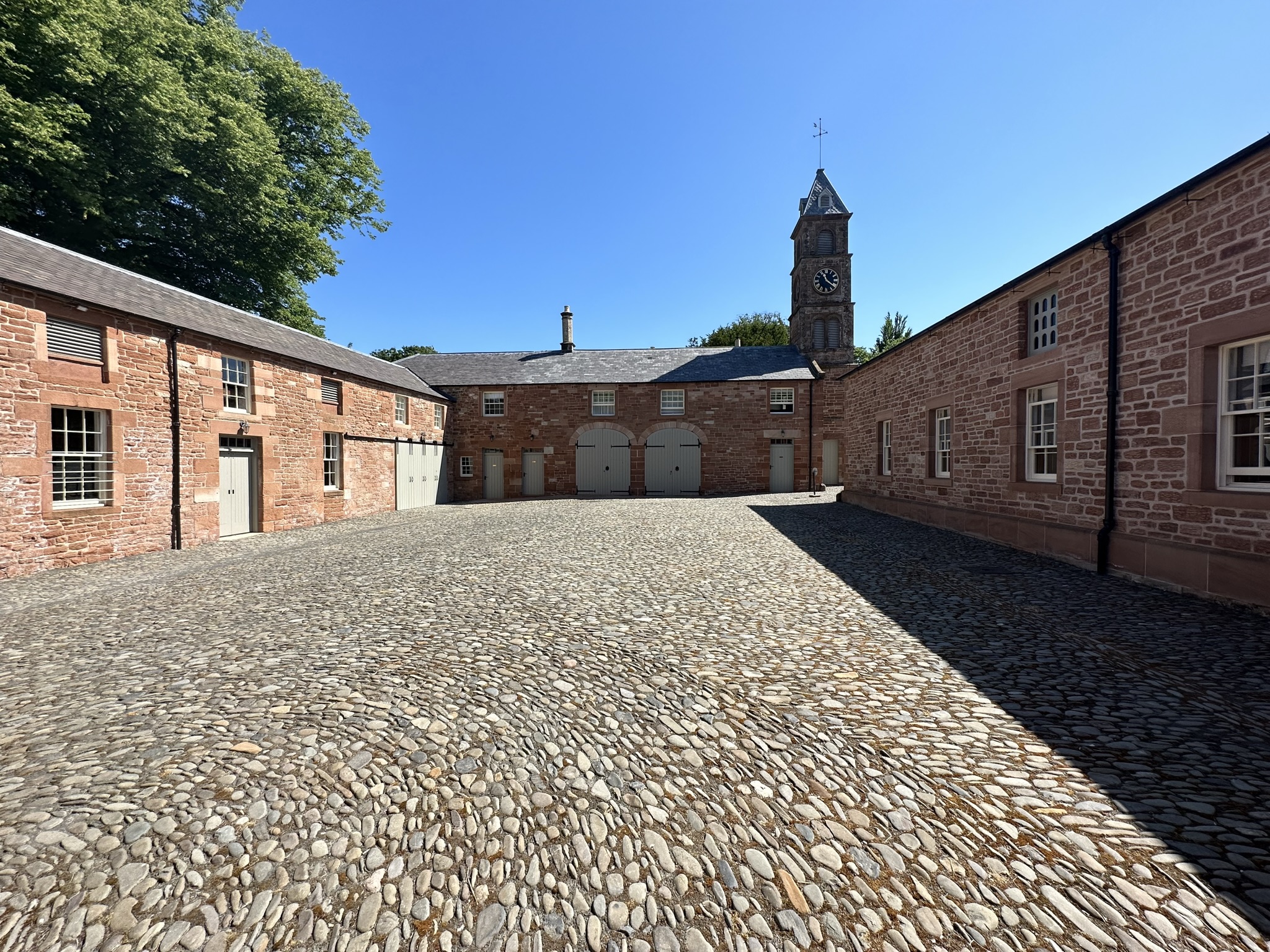
Netherby Stables
GLM undertakes a pre-acquisition building survey and refurbishment of the extremely derelict Netherby stables block.
Meet Your Specialist

Ian McKee, FRICS FCABE
Executive Chairman · Chartered Building Surveyor · Edinburgh
One of the founding partners of GLM (established 1996) and the 2016 Chairman of RICS in Scotland. Ian has performed the full range of building surveying duties in the course of his career – including major dilapidations claims, building condition surveys, building refurbishment and property management – with a particular specialism in the hotel and leisure sectors.
Frequently Asked Questions
Answers to the questions we’re most often asked by clients commissioning a commercial building survey in Scotland.
It depends on the building’s size, complexity, condition and location. Many surveys can be completed in a day, although larger or more complex properties may take longer, and weather or daylight can be a factor. Once the inspection and desktop research are complete, we normally issue the full report within around 10 working days. A verbal briefing or executive summary can often be provided sooner where decisions are time-critical.
In practice, the two services are very similar. Technical Due Diligence is usually commissioned in connection with a purchase or lease and may be coordinated with legal, environmental and other specialist advice. A full Building Condition Survey is a comprehensive review of the building’s fabric, services and finishes. In either case, our report identifies essential, necessary and desirable works and can include budget costs to support your decision.
The fee depends mainly on the building’s size, complexity, condition and location, together with the scope of advice required. These factors affect the time needed for inspection, research and reporting, and whether additional surveyors or specialist consultants are needed. We agree the scope first and provide a clear fee proposal before starting work.
Yes. We work throughout Scotland, including the islands, as well as the north of England. With offices in Edinburgh and Inverness, we are well placed to inspect buildings across the Central Belt, the Highlands and more remote locations.
Yes. Listed and historic buildings are a particular strength of the practice. For over 30 years we have inspected, repaired, altered and managed projects involving some of Scotland’s most distinctive buildings, giving us a practical understanding of traditional construction and the care these properties require.
Discuss your Survey today.
Speak to our building surveying team about a Technical Due Diligence, full building survey, defect analysis or PPM programme – from any of our Scottish offices.