GLM at RIAS Live 2026: Designing Thriving Communities
Authored by Jaime Alberdi, RIAS RIBA COAM, Project Architect
Several members of the GLM team recently attended RIAS Live at the magnificent Glasgow City Chambers. Bringing together architects, planners, designers, engineers and thought leaders from across the built environment sector, the event explored how our cities can evolve to serve better the people who live, work and move within them.
Jaime Alberdi, one of GLM’s project architects, documented his reflections from the day, sharing the key discussions, debates and takeaways that resonated most strongly.
Setting the Scene
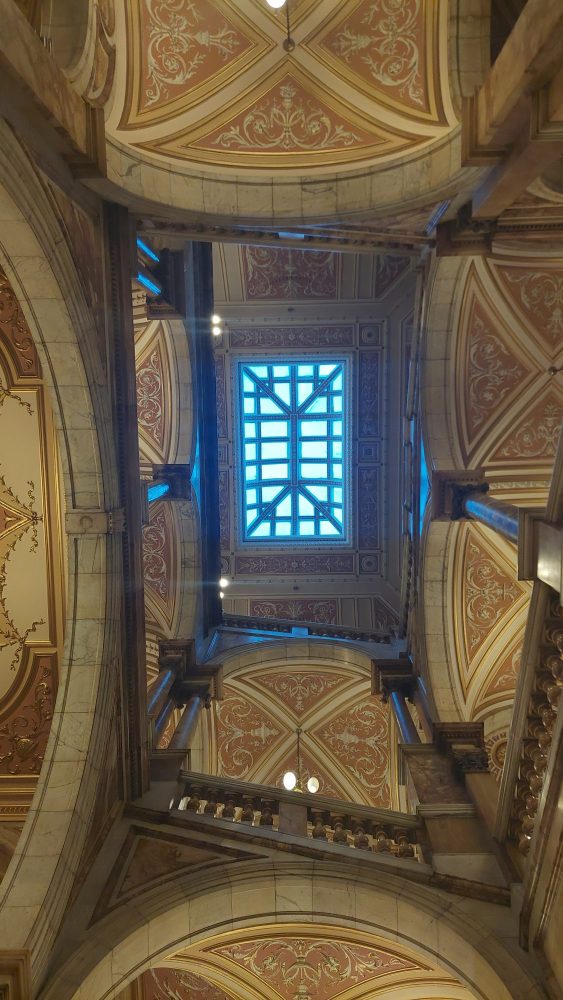
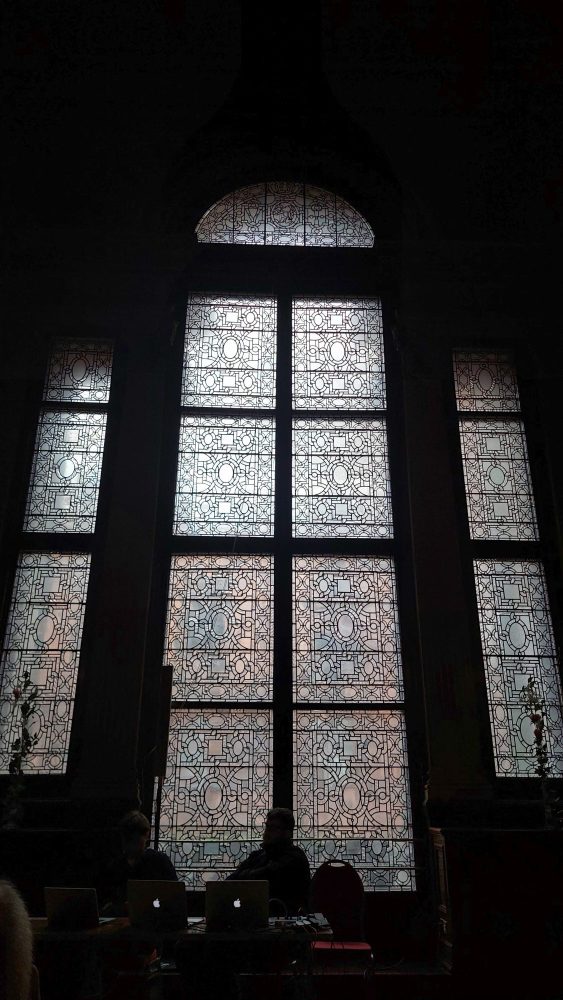
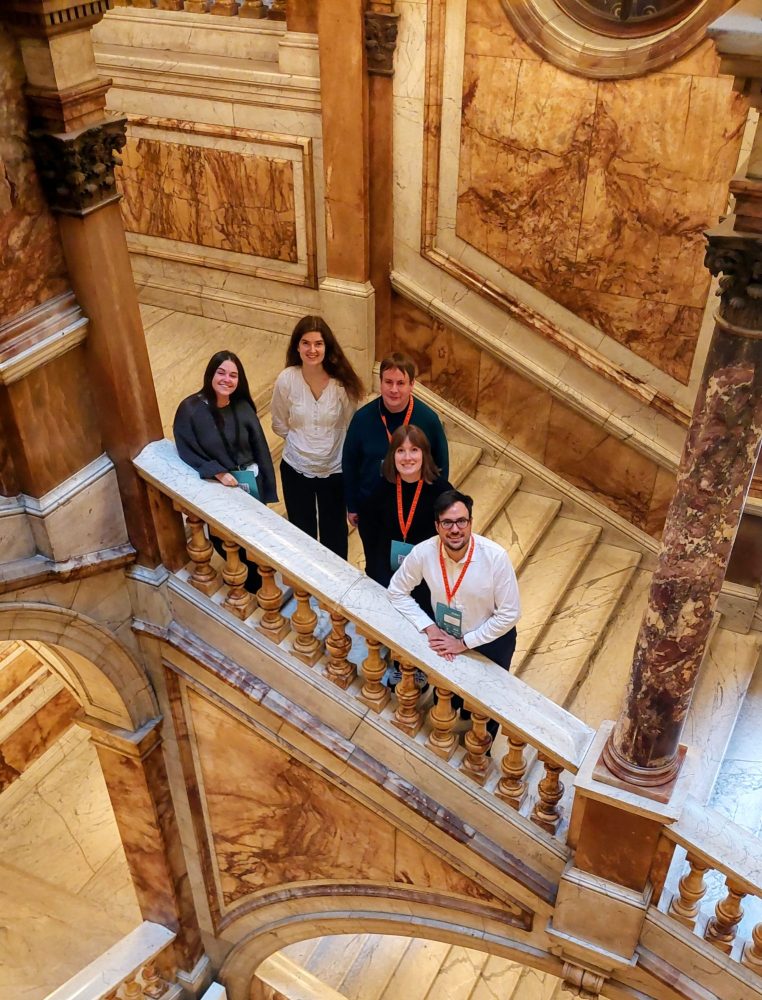
The event took place in a great building – Glasgow City Chambers – which I was looking forward to visiting to enjoy the marvellous marble staircase, which is spectacular.
Designing Cities for People
I was captivated by author Gabriella Bennett, who has published a book about how to build cities based on the targets of cities for peace, planet and people, and specifically talked about the design carried out in Vienna. She used it to state the elephant in the room: that the cities are designed by and for men, and we need to change that for a feminist approach that takes into consideration how to offer a city where the carers (mostly women), the users of public transport, are in the centre and not on the side.
This thought-provoking opening set the tone for a day focused on people-centred design, inclusion and the future of our urban environments.
This was followed by a counter-revolution. We saw the opposite approach: macroeconomics for a city, over a city for its inhabitants. Lucie Murray, Head of Cities at ING Media, explained the benefits and needs of a city like Glasgow to be well known on the global stage and how well-known its architecture is internationally.
Continuing the discussion around how cities are shaped and perceived, Susan Jayne Carruth, a partner at Copenhagen-based firm GXN Innovation, explained the design and sociological-behavioural combination they bring to their practice. How they combined concepts so they could be reframed and provide new alternatives. She described a captivating building project (a fish market) in Sydney.
Shaping Thriving Societies
My GLM colleagues and I enjoyed the discreet Nordic talk by Nordic Architecture leader Line Hellum. Line Hellum is an Associate Partner and architect at the Nordic Office of Architecture with over 25 years of experience in urban planning, masterplanning, and sustainable, people-first city design. One thing she said that resonated with our practice is that we do not have an architectural style; we have a method. And she stated, “We shape thriving societies”, and advocated for better architecture that allows thriving communities.
This message around creating better places for people became a recurring theme throughout the remainder of the event.
Rethinking Movement and Development
After lunch, we heard from traffic engineer John Dales and (not a) developer Martyn Evans, who encourage the profession to think outside the box and work with other disciplines to deliver thriving design that matters and improves the project’s quality, value, and means. Your better design is always the solution for a developer’s problems.
Dales, who is Head of Transport Planning at Urban Movement, showed us projects that reduce the need for private vehicles drastically by incentivising pedestrian movement, making the city commute not 15 min, but 5 min. Marty advocates starting development with services and radical changes, with new parks that attract use from the earliest stages of a development.
John also showed the successful road transformation in Glasgow (Sauchiehall Street), where traffic has been removed, and space has been given to pedestrians, cyclists, and trees.
The Future of Glasgow’s Urban Environment
The event concluded with a conversation between Councillor Ruari Kelly, city convenor for housing and development, and Jay Morton, architect, civil activist and host of Architects for Change Podcast.
The convener explained that a Victorian city is not child-friendly and that this needs to be addressed; however, they also noted that the Sauchiehall Street experience of planting trees in a Victorian city is not easy to replicate because of the high cost of maintenance and accessing servicing around trees.
On the other hand, Jay invited all architects to participate in politics (we need more MPs!) to engage with communities and develop and deliver for them. Provide quality architecture by reusing the left-aside, forgotten city plots. She made an architect’s self-reflection regarding the lack of quality design provided many times while designing the building facades, and the need to improve.
Key Takeaways
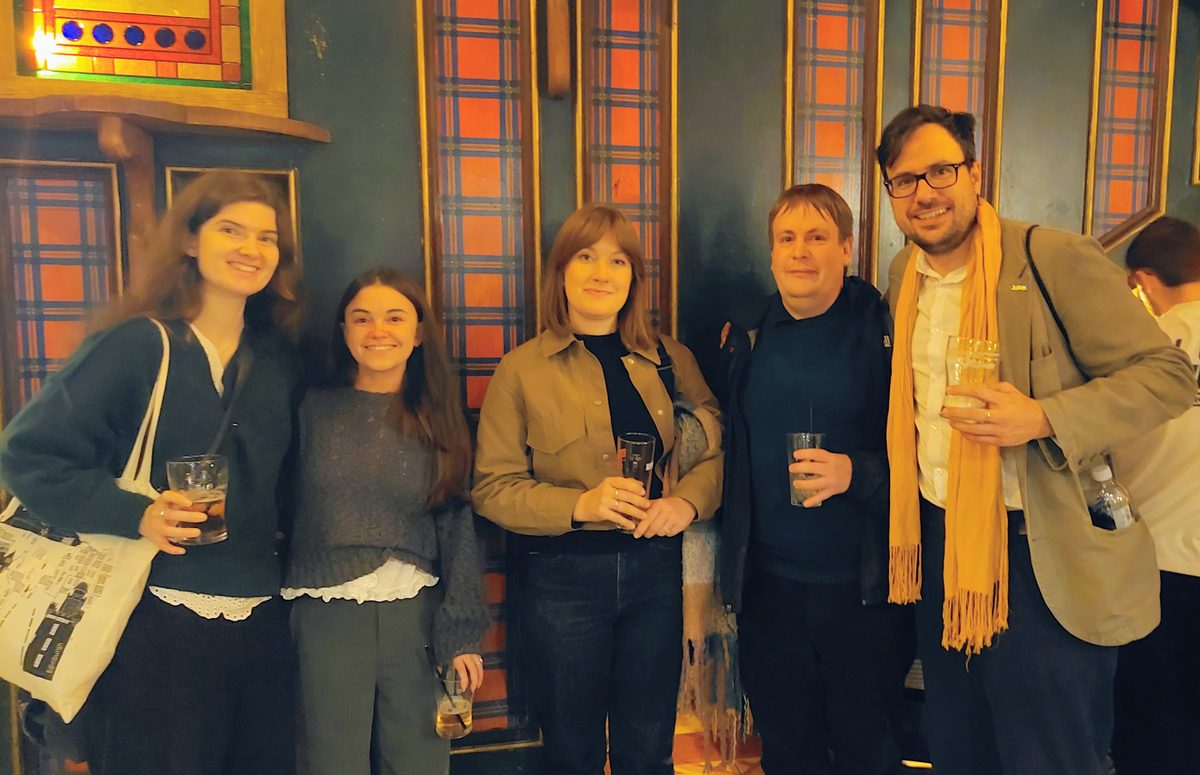
Team GLM, including Neil McAllister, Associate Director & Architect, Felicity Fairclough, Part 2 Architectural Assistant, Sophie McLaren, Architect MArch ARB, Adelaide Gilmour, Part 2 Architectural Assistant, and I finished the day sharing some drinks and commenting on the highlights of the event. This year, the takeaway was about thriving communities and urban planning more than specific architectural projects, which is nice for planners like me.
For Team GLM, the overarching theme of the event was clear: the most successful places are those designed to support thriving communities. From inclusive urban design and active travel initiatives to community-focused development and collaboration across disciplines, the discussions highlighted the importance of putting people at the heart of decision-making.
RIAS Live 2026 provided valuable insight into the challenges and opportunities facing our towns and cities, reinforcing the role that thoughtful planning and design play in creating places where people can truly thrive.